
One of the most common questions landlords ask us is whether a furnished property brings in better returns than an unfurnished one. The answer usually depends on the property itself, the local rental market and the type of tenants you want to attract.
A furnished flat in a busy city-centre location may perform well with young professionals or students, while an unfurnished family home could attract tenants looking to stay for several years. Both options have their advantages, but they also come with very different costs and responsibilities.
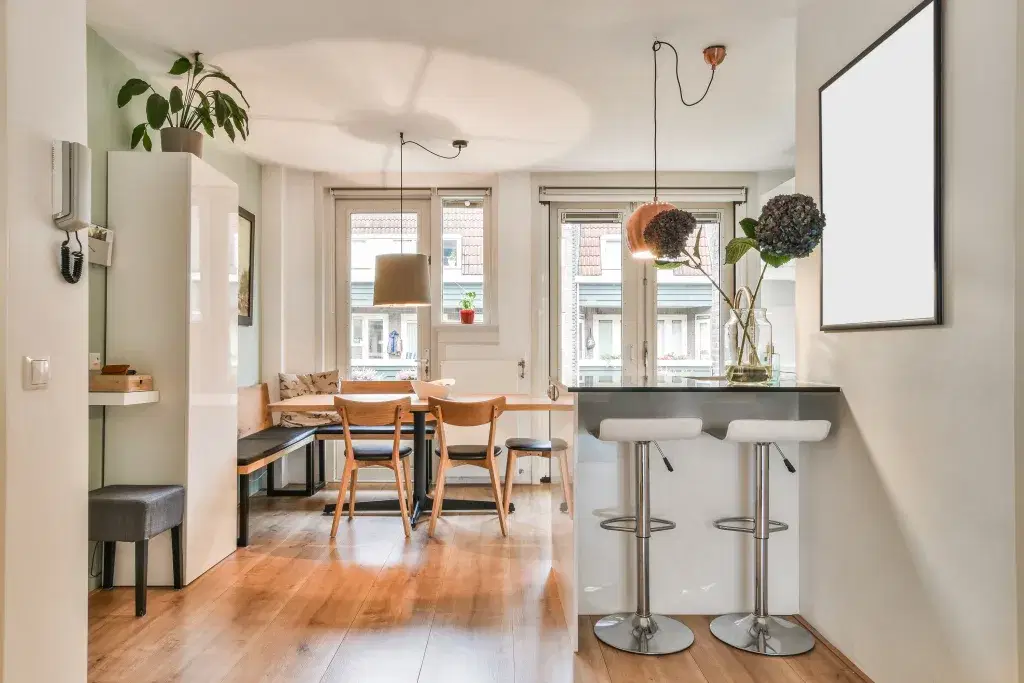
In this article, we take a closer look at whether furnished or unfurnished rental properties yield better returns for landlords.
What’s included in a furnished property?
There’s no exact rule for what counts as furnished, but most tenants would expect the basics. That normally includes beds, sofas, wardrobes, white goods and dining furniture. Some landlords also provide smaller appliances or kitchen items.
As there are no set guidelines on this, it can be hard to quantify the returns. It goes without saying that higher-quality furniture and additional extras, such as kitchen appliances, crockery, and cutlery, will likely mean landlords can charge higher rents.
An unfurnished property is usually more minimal, although fitted appliances, carpets and curtains are still commonly included. Some landlords also choose a part-furnished approach, especially if they want to appeal to a wider range of tenants.
Why some landlords prefer furnished lets
Furnished properties often allow landlords to set higher monthly rents because tenants are paying for the convenience of not having to buy or move furniture from one property to another. Many renters like the idea of moving straight into a furnished rental property.
This is particularly common with:
- Young professionals
- Students
- Corporate tenants
- People relocating for work
A furnished property can also stand out more in online listings. Well-presented rooms tend to create a better first impression, which may help attract viewings more quickly.
The downside of furnished rentals
While the extra rental income can be appealing for landlords, it’s important to mention that furnished properties usually cost more to maintain. Frequent use can cause furniture to naturally wear over time, and when it does, it will need replacing.
Replacing mattresses, sofas and appliances can be expensive, and landlords also need to ensure any furniture provided meets current fire-safety regulations.
Some tenants also prefer unfurnished homes because they want to bring their own furniture and make the property feel more personal.
Why unfurnished homes can offer better long-term value
Unfurnished properties quite often attract longer-term tenants such as families and professional couples. These types of tenants can lead to more stable rental income.
Longer tenancies can also help reduce:
- Re-letting costs
- Wear-and-tear
- Inventory disputes
- Ongoing maintenance
Although the rent may sometimes be slightly lower, many landlords find the reduced upkeep helps improve profitability over time.
Looking to maximise returns from your rental property?
At Shortland Horne, we help landlords across Coventry and the Midlands make informed decisions about their rental properties. Whether you’re considering furnished or unfurnished, our experienced team can help you understand local tenant demand and maximise your returns.
From rental valuations to fully-managed lettings support, we’re here to help landlords get the most from their investment properties. Get in touch with Shortland Horne today to discuss your property goals.