
When you start looking for your next home, you’ll probably come across a mix of brand-new developments and older properties. Both can make a great place to live, but they offer quite different things.
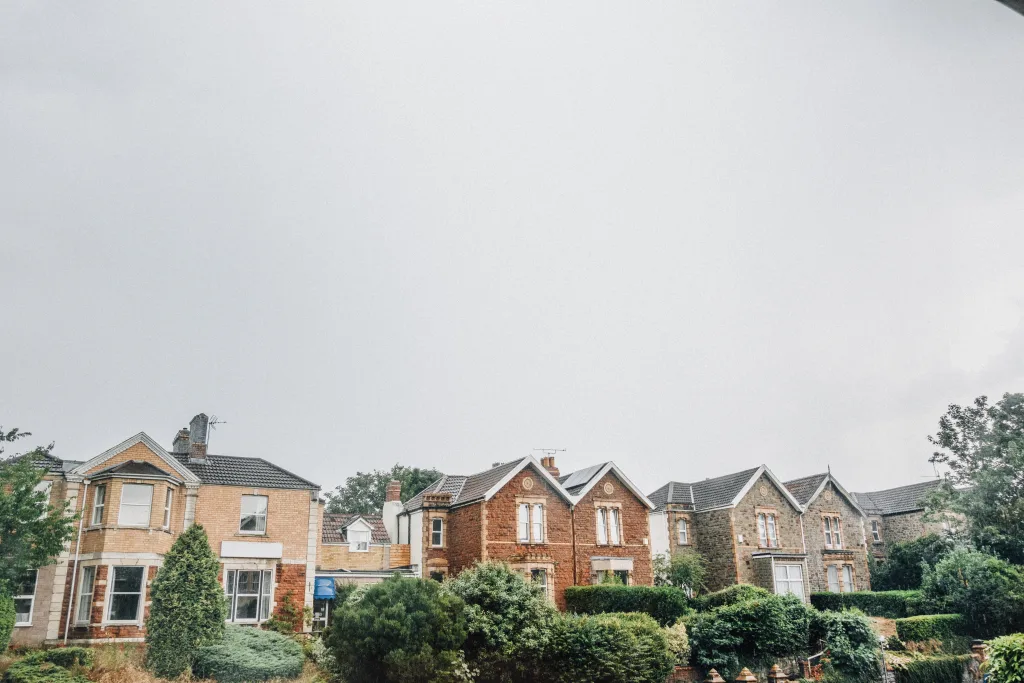
From energy bills and maintenance to character, space and the buying process itself, there’s plenty to weigh up. Here, we take a closer look at the main differences to help you decide whether you’re leaning towards a new-build, prefer an older property, or you’re open to both.
Look beyond the asking price
New-build homes can come with a higher price tag than comparable older properties, although developers sometimes offer incentives that help with the cost of buying.
An older home might give you more room to negotiate, but consider what you’ll need to spend once you get the keys. A new boiler, replacement windows, or roof repairs can add up quickly.
A property survey can flag potential problems before you commit and give you a better idea of what you’re taking on.
Think about your energy bills
Energy efficiency can be a big plus with a new-build. Modern building standards generally mean better insulation, efficient heating and high-performance windows, while some developments also include solar panels.
Older homes need a little more investigation. Previous owners may have fitted new windows, added insulation or upgraded the heating, so age alone won’t tell you how efficient a property is. Check the Energy Performance Certificate (EPC) and ask what work has already been done.
How much work do you want to take on?
Moving into a new-build usually means you won’t have a long list of decorating or renovation jobs waiting.
Snagging issues can still crop up, so find out how the developer handles them and what your warranty covers. Many new homes come with a 10-year structural warranty, although coverage varies by provider and stage.
An older property may need more attention, but it also gives you the opportunity to renovate and make it your own.
What about space and character?
Period features, mature gardens and established neighbourhoods can make older homes appealing. Depending on the property, you may also find larger rooms or plots.
New-builds often offer modern layouts and open-plan spaces designed around the way people live today. Gardens and plots can sometimes be smaller, so decide what matters most to you.
Don’t forget the buying process
Buying a new-build may mean reserving off-plan and working around construction timescales. With an older property, you can see the exact home you’re buying, although you could become part of a property chain.
If you plan to move again fairly soon, think about resale too. Selling while a development is still under construction could mean competing with brand-new properties and developer incentives.
Which type of home is right for you?
There’s no single answer. Consider your budget, running costs, maintenance, space and location, and how much work you’re prepared to take on.
Shortland Horne can help you explore both new-build and established homes across Coventry and Warwickshire. Get in touch with our team to start your search and see what’s available.